
Chances are you have heard the term from a neighbor who dropped their cable package, a coworker who mentioned watching live sports on a streaming box, or a headline about the decline of traditional TV. So what is IPTV, exactly, and does it deserve the attention it is getting?
In short, IPTV stands for Internet Protocol Television. Instead of receiving channels through a satellite dish or a coaxial cable line, you receive them as data delivered over your internet connection. The channels can be similar. The live sports can be similar. The difference is entirely in how the signal reaches your screen.
This guide walks through how IPTV works, what it costs, which devices support it, how it compares to cable, and what to watch out for, so you can make an informed decision about your own household.
How IPTV Actually Works
Traditional cable television operates like a broadcast: the provider pushes every channel down the line simultaneously, and your cable box simply tunes into the one you select, whether or not you’re watching it. IPTV works in reverse. When you choose a channel, your device requests that specific stream from a server, and only that stream is sent to you, broken into data packets that travel over the internet and reassemble on your screen.
Live TV, Delivered Differently
For live channels — news, sports, entertainment — the viewing experience can feel nearly identical to cable. You select a channel and it plays in real time. The difference is invisible to the viewer; it happens in how the signal is routed, not in what you see on screen.
On-Demand and Catch-Up Viewing
Many IPTV setups also include on-demand libraries and catch-up windows that let you revisit programming that aired recently, similar to how an on-demand streaming app works. Availability of these features depends entirely on the specific third-party provider you are matched with, so it is worth confirming what is included before you commit to any plan.
Why Your Home Network Matters More Than You’d Think
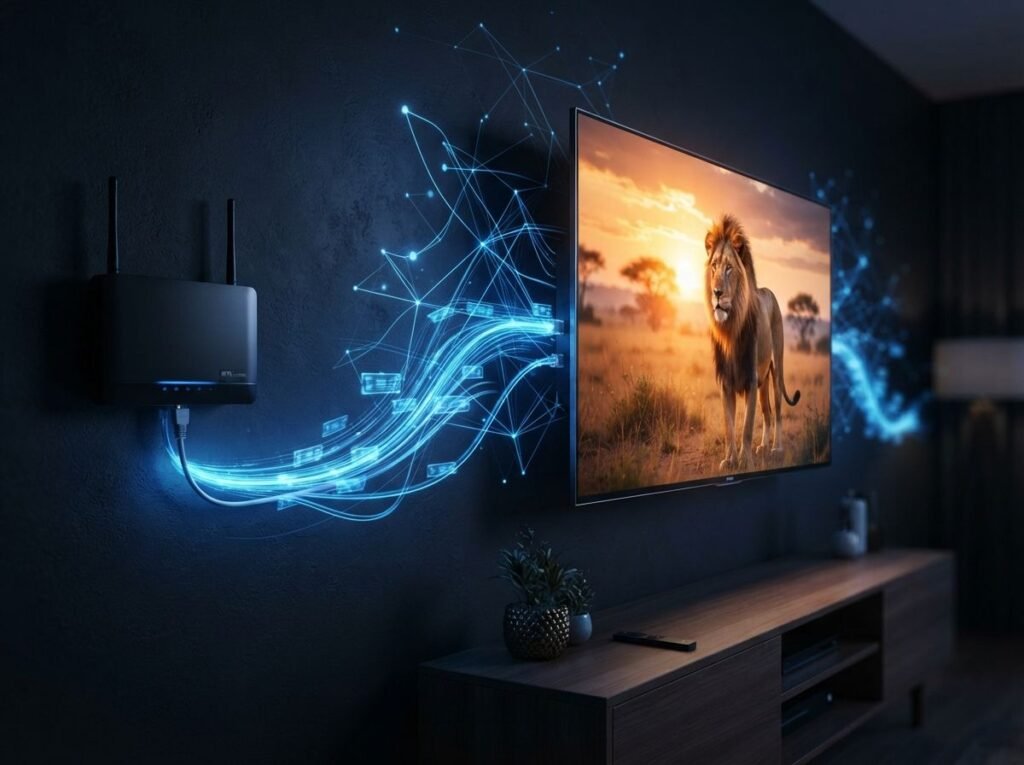
Because IPTV rides on your internet connection rather than a dedicated signal, your router’s placement, your WiFi strength, and your ISP’s actual delivered speeds all directly affect picture quality. This is one of the most overlooked parts of a smooth switch, and one that generic national guides tend to skip entirely.
What Devices Support IPTV
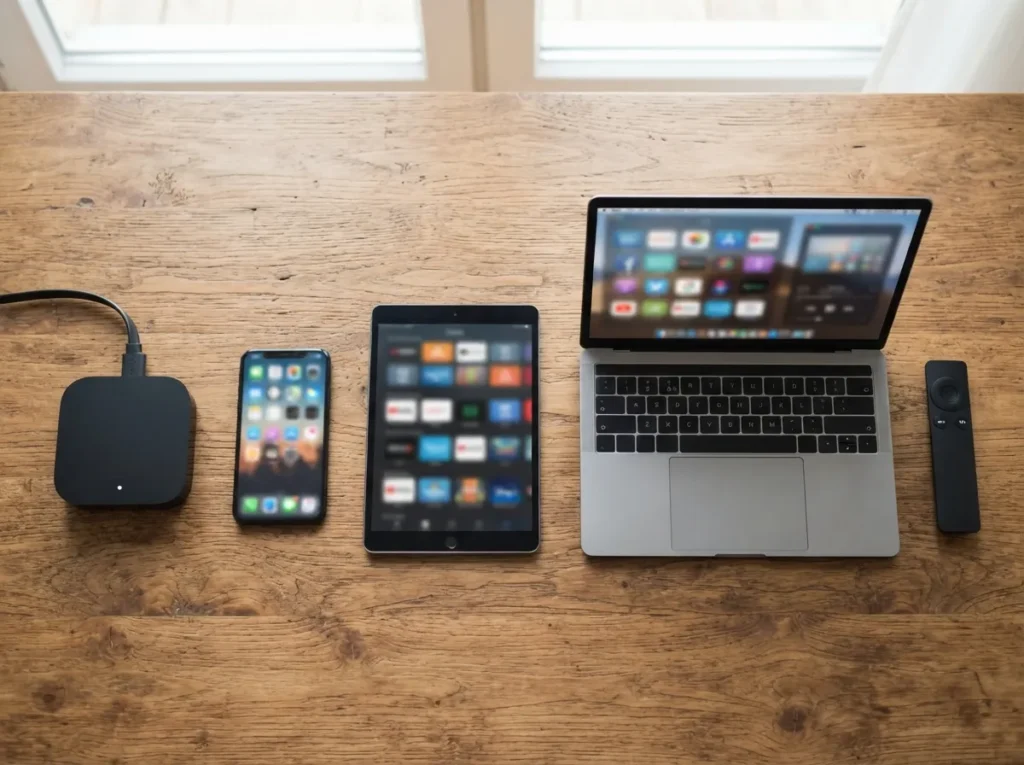
One of the clearest advantages of IPTV over cable is that it does not require a dedicated set-top box tied to a single television.
Streaming Media Players and Smart TVs
Popular streaming sticks and boxes, along with most modern smart TVs from major manufacturers, can run IPTV apps directly, provided they are connected to a stable WiFi or Ethernet connection. If your television already streams apps like a video service, it can very likely support an IPTV app as well.
Phones, Tablets, and Computers
IPTV is not limited to the living room. Most services also support mobile apps for phones and tablets, along with desktop options for laptops and computers, which means a single household subscription can often follow family members across multiple screens rather than being locked to one room.
Confirming Your Own Setup Before You Switch
Not every device performs equally well, and older hardware or a weak WiFi signal in a back bedroom can undermine an otherwise solid IPTV plan. Before switching, it is worth checking your specific device and network setup rather than assuming it will simply work.
IPTV Costs Compared to Cable in Austin
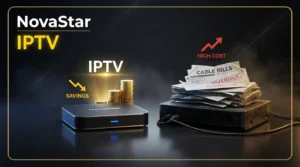
Cable pricing in the Austin area typically follows a familiar pattern: a lower promotional rate for the first several months, followed by a noticeable increase once the promotion ends, plus separate charges for equipment rental, regional sports fees, and taxes that are not always clear at sign-up.
Why the Total Cable Bill Is Rarely the Advertised Price
Local cable providers commonly advertise a base package price that excludes the set-top box rental, broadcast surcharges, and DVR fees, all of which appear once the first bill arrives. Comparing IPTV to cable on an apples-to-apples basis means accounting for these add-on charges, not just the headline number.
Why IPTV Pricing Structures Differ From Cable
Because IPTV does not require a technician visit, dedicated cable line, or rented hardware, providers are generally able to offer more straightforward monthly pricing without the layered fees common to cable bills. Exact pricing varies by provider and plan, which is precisely why comparing real options matters more than relying on a single advertised number.
The One Cost Cable Doesn’t Require: Your Internet Plan
Since IPTV depends on your internet service, your existing broadband plan becomes part of the total cost picture. Austin households already paying for home internet may find that the marginal cost of adding IPTV is lower than starting a cable subscription from scratch, particularly if their current internet tier already supports reliable HD streaming.
Is IPTV Legal, and How Do I Choose Safely?
This is one of the most important questions a newcomer can ask, and the honest answer involves some nuance.
The Technology Itself Is Not the Issue
IPTV as a delivery method is used legitimately by major telecom companies around the world to deliver licensed television service. The technology is simply a transport mechanism, comparable to how a video call and a downloaded file both travel over the same internet infrastructure.
The Real Distinction Is Licensing
What separates a legitimate service from a problematic one is whether the provider holds proper rights to distribute the content it offers. This is exactly why Nova Star IPTV exists as a matching service rather than a content provider: we connect Austin households with a verified third-party IPTV provider rather than hosting, selling, or distributing any streams ourselves.
What to Look For Before You Commit
A trustworthy provider should be transparent about pricing, responsive to support requests, and willing to explain their offering clearly rather than pressuring you into an immediate decision. Services that refuse to identify themselves, demand unusual payment methods, or seem evasive about basic questions are worth avoiding, regardless of how attractive the channel count looks on paper.
Already Have IPTV? Get More From It
This guide is written for newcomers, but IPTV is not only useful before you switch. If you already have a service and are dealing with buffering, a broken program guide, or a playlist that stopped loading, the issue is very often on the network or configuration side rather than the provider itself. Our free AI IPTV Troubleshooter can help diagnose common playback issues, while the EPG Validator and Playlist Cleaner are built specifically for viewers whose channel guide or M3U file needs a fix rather than a full provider switch. If your WiFi signal is the likely culprit, the Router Placement Optimizer and WiFi Coverage Calculator can help you identify dead zones before they interrupt another game night.
Getting Started With Confidence
Understanding what IPTV is represents the easy part. Finding a provider that is reliable, transparent, and actually suited to your household’s viewing habits is where most people get stuck comparing dozens of confusing options on their own.
Nova Star IPTV is a free matching service for Austin households. We do not sell or host IPTV streams ourselves; instead, we connect you with a verified third-party provider based on your needs, and a member of our team follows up within 24 hours. There are no contracts to explore your options and no pressure to commit to anything before you are ready.
If your household is ready to see what a modern television setup could look like, submit your free matching request today and let us help you compare options with confidence.


5 Responses